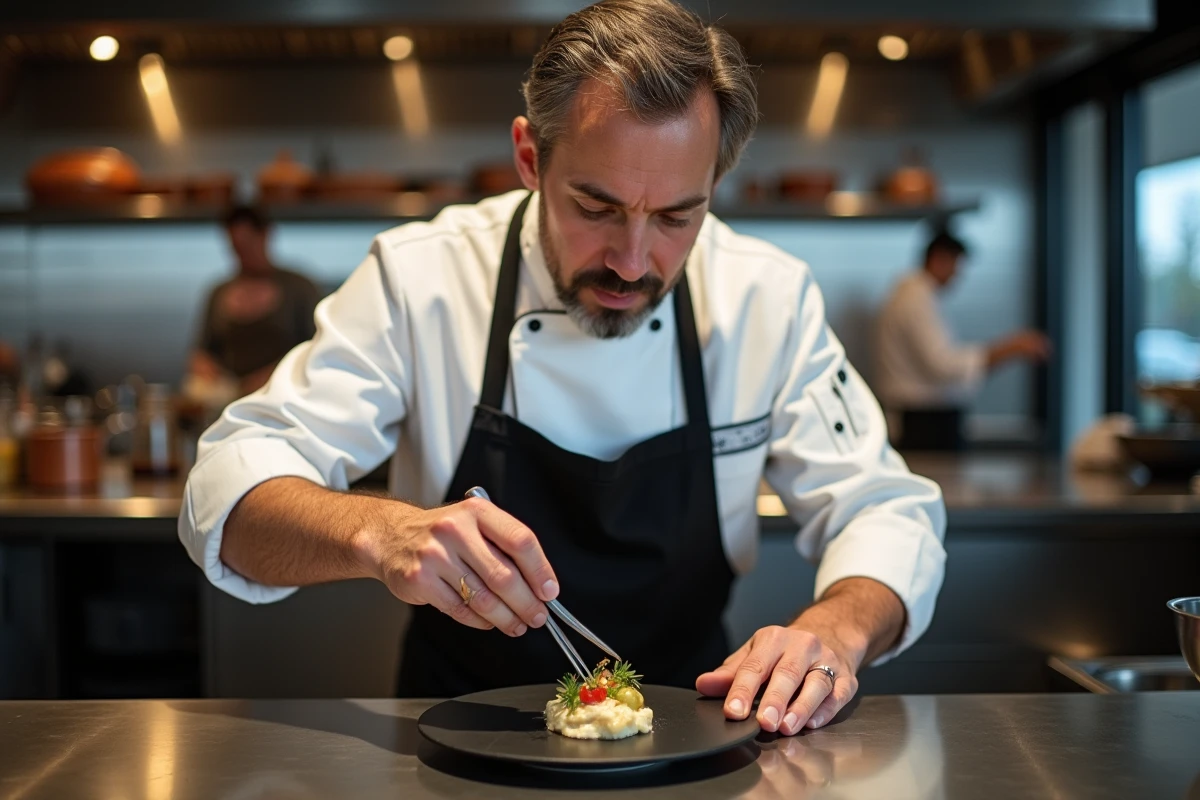
The gastronomic rankings of 2025, from the Best Chef Awards to the Michelin stars, outline a global culinary map where a few names consistently reappear. Among the 279 chefs distinguished at the Best Chef Awards in Milan, 250 are men and 29 are women, representing about 10.4% female representation. This ratio, slightly up from the previous year, raises a fundamental question about what these rankings truly measure and what they leave in the shadows.
Best Chef Awards 2025: distribution by country and key data
The Milan ranking allows for a comparison of the weight of major gastronomic nations in the current rankings. The table below summarizes the visible trends in the available data.
| Country / Region | 2025 Positioning | Trend |
|---|---|---|
| France | Massive presence in the overall ranking, but absent from the podium | Diffuse influence, no single dominant figure |
| Italy | Italian chefs distinguished in several categories, including internationally | Radiating beyond borders |
| Denmark (Copenhagen) | Identified as the capital of future gastronomy | Constant progression |
| Slovenia | Notable entry onto the podium | Surprise of the rankings |
| Asia and Gulf | Regular advancement in the rankings | Rising power |
| Spain | Maintains talent but loses direction of the movement | Stabilization |
France remains omnipresent in terms of the number of ranked chefs, but no French chef appears on the podium. In contrast, Slovenia surprises by climbing among the top three, a strong signal of the geographical diversification of haute cuisine.
To explore in detail each profile and each distinction, the ranking of the best chefs in the world 2025 offers a comprehensive reading of individual journeys.
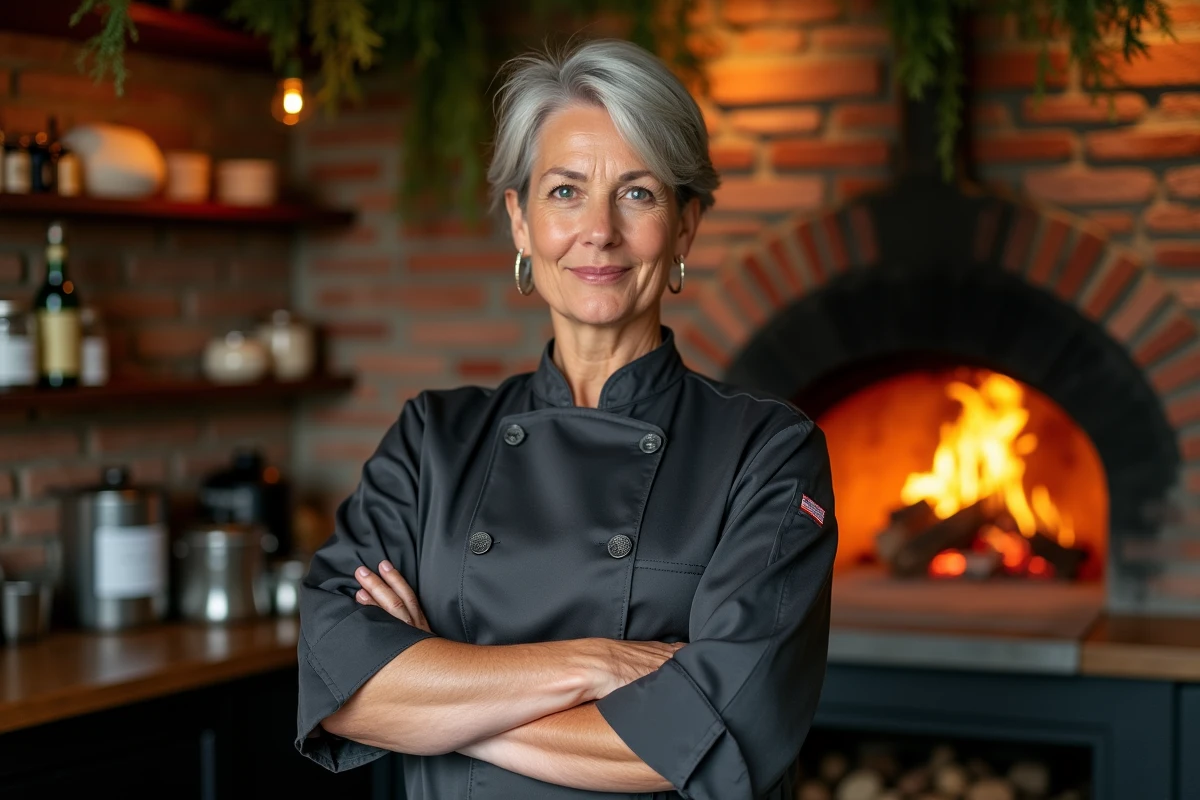
Family legacies and transmission: a blind spot in gastronomic rankings
The rankings reward individuals, rarely lineages. This logic masks a growing phenomenon: family transmission as a driver of culinary innovation.
The example of Côte d’Or in Saulieu is telling. After losing its third Michelin star in 2016, the establishment embarked on a reconquest based on innovations inspired by heritage recipes, under the direction of Patrick Bertron and Louis-Philippe Vigilant. The result is not reflected in an individual ranking, but in a house’s ability to reinvent itself without breaking with its history.
This model of continuity is found in other French families. The Loiseau family, for example, has purchased historical monuments to open new establishments, relying on post-lockdown renovation aid. Heritage transmission becomes a strategic lever as well as an emotional choice.
Rankings like the Best Chef Awards or World’s 50 Best value individual creativity, personal storytelling, and the ability to embody a brand. A chef who is an heir to a family establishment, even if brilliant, finds it difficult to fit into this narrative mold. The very format of the awards favors paths of rupture over paths of continuity.
Pastry chefs and female chefs: what the female-to-male ratio in the kitchen reveals
With 10.4% of women among the 279 ranked chefs at the Best Chef Awards 2025, the progress from 8% in 2024 exists but remains marginal. A few names emerge, such as Jessica Rosval or Chiara Pavan, but their presence does not change the overall structure of the rankings.
The underrepresentation of women in the rankings does not necessarily reflect the reality on the ground. Several structural factors explain this:
- Juries and voting systems favor established professional networks, historically male, which reduces the visibility of emerging female chefs
- Pastry, where women hold a more visible place, is often treated as a separate category in the rankings, excluding innovative female pastry chefs from general rankings
- The storytelling expected by the awards (breakthrough paths, strong media presence) aligns more with the communication codes adopted by the most prominent male chefs
The report by 750G TV on the great female chefs dominating French haute cuisine confirms this dynamic: women are progressing in the brigades, but the podiums do not follow at the same pace.
Michelin stars and Best Chef Awards: two distinct lenses
Michelin stars reward a restaurant. The Best Chef Awards reward a chef. This difference in scope produces rankings that do not always overlap.
A chef like Joël Robuchon, holder of the historical record for Michelin stars, remains an absolute reference in the Michelin system. In contrast, the Best Chef Awards place greater value on contemporary influence, the ability to advocate for sustainability, technical innovation, or social engagement.
Alain Ducasse, with his empire of over 30 restaurants, illustrates this duality well. His Michelin recognition is massive, but his positioning in Best Chef-type rankings depends as much on his training of new generations as on his stars.
The criterion of storytelling now weighs as much as pure technique in contemporary awards. A chef who masters their communication, documents their approach on social media, and carries an engaged narrative gains visibility in peer voting.
What the 2025 rankings really measure
The gastronomic rankings measure a combination of culinary talent, media influence, and professional network. They do not measure family transmission, nor the contribution of female pastry chefs to the diversification of cuisines, nor the local impact of a restaurant on its territory.
The rise of countries like Slovenia or Denmark in the rankings shows that the gastronomic geography is being redistributed. The issue of female representation is progressing, but at a pace that remains out of sync with the real evolution of the brigades. The rankings remain partial snapshots of a much larger ecosystem than what a podium can summarize.