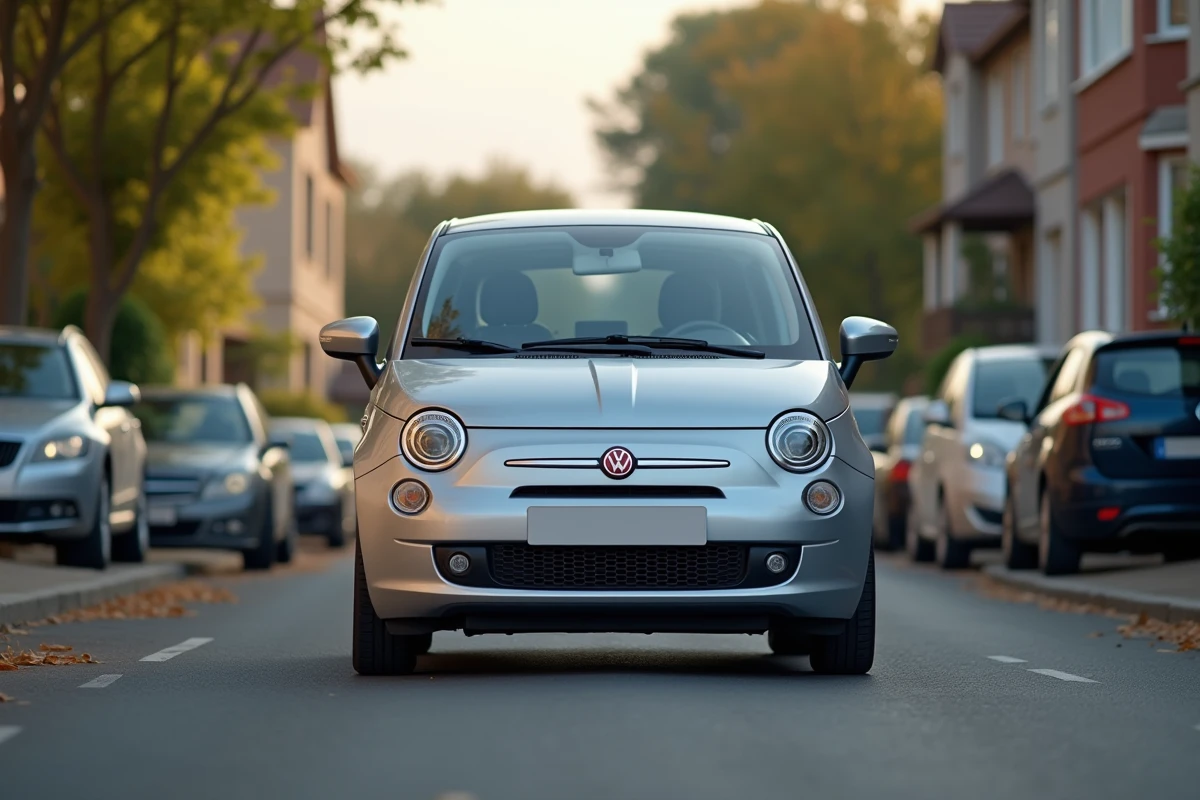
A 90 hp DIN engine in a city car weighing less than 1,100 kg and the same block under the hood of a compact SUV weighing 1,350 kg tell different stories. The power-to-weight ratio determines the entire driving experience, and it’s precisely this parameter that most consumer technical sheets overlook when they describe 90 horsepower as “sufficient.”
Power-to-weight ratio and available torque: what 90 hp really means
A 90 hp three-cylinder turbo petrol engine generally delivers its maximum torque between 1,500 and 2,500 rpm. In a Renault Clio TCe 90, this torque remains modest in absolute terms, but it arrives early in the rev range, providing a sense of responsiveness in the city.
The problem arises as mass increases. Add two passengers and a full trunk (about two hundred extra kilos): the power-to-weight ratio noticeably deteriorates. Acceleration from 80 to 110 km/h, typical for overtaking on a fast lane, then requires downshifting one or two gears, putting the engine at revs where efficiency and acoustic comfort drop.
In comparison, a 110 hp block from the same manufacturer often shares the same displacement but has a different turbo calibration. The difference in low-end torque, although moderate on paper, significantly changes how the car “accepts” an additional load. We observe that it is precisely this delta that separates comfort from mere sufficiency.
To better understand the power of a 90 horsepower car in practice, one should think in terms of torque per ton rather than raw horsepower.
90 hp in the city, on the highway, and during loaded vacations: three distinct realities

A 90 hp engine excels in a specific scenario: urban and suburban driving, one or two occupants, little luggage. Short accelerations between traffic lights, merging at 50 km/h, and parking maneuvers only require a fraction of the available power. In the city, 90 hp provides a real power surplus, which is almost never fully utilized.
Fast lane and highway: the comfort threshold shifts
At a stabilized speed of 110 km/h, the engine operates within a reasonable rev range. Fuel consumption remains contained, and noise is acceptable. The difficulty arises when overtaking a heavy vehicle or merging onto an uphill highway ramp.
The acceleration phase from 90 to 130 km/h exposes the limits of the engine. The response time lengthens, the driver must anticipate more, and the safety margin for a quick overtaking significantly decreases. In a 110 hp vehicle, this same maneuver is completed with less mechanical strain and less stress.
Loaded vacations: the 90 hp becomes just sufficient
Four adults, a full trunk, air conditioning on during a summer highway trip: we recommend considering this scenario as the decisive test. The engine then works under high load for extended periods. Several concrete consequences:
- Fuel consumption rises significantly compared to the announced mixed cycle, sometimes exceeding an additional liter per hundred kilometers
- Acceleration on inclines (typically in the Rhône Valley or alpine approaches) often requires frequent downshifting, which tires both the gearbox and the driver
- The noise level inside the cabin increases, degrading the comfort of rear passengers on long journeys
It’s not that 90 hp “isn’t enough”: the vehicle moves forward, and the maximum legal speed is achievable. However, the sensation of mechanical comfort disappears in favor of a constantly tense driving experience.
Diesel or petrol at 90 hp: torque changes the game
A 90 hp diesel engine develops more torque than a petrol engine of the same power, and it delivers it at lower revs. On a loaded or hilly route, this difference translates into more responsive acceleration without needing to rev higher.
The trade-off reverses in the city. The petrol block, being lighter and often paired with a gearbox better suited for low revs, provides a smoother drive in traffic. The choice between diesel and petrol at 90 hp directly depends on annual mileage and road profile.
For mixed use with a majority of urban trips and a few holiday departures each year, a 90 hp petrol engine remains relevant. As soon as annual mileage exceeds the threshold where diesel becomes cost-effective (including maintenance and consumption), the additional torque of the diesel significantly improves the experience when loaded.
Insurance costs and taxation: the discreet advantage of 90 hp
The fiscal power of a 90 hp DIN vehicle generally falls around 4 to 5 fiscal horsepower, placing the registration fee in a moderate cost bracket depending on the region. This point has little impact on the monthly budget, but it adds to another advantage: insurance premiums are significantly lower than for a vehicle with 110 hp or more.
Insurers apply pricing grids based on actual power and average claims per category. A 90 hp vehicle falls into a statistically less accident-prone segment than higher-powered engines, which lowers the premium. For a young driver facing a surcharge, this gap becomes a significant budgetary argument.
When to upgrade to a higher power
A driver who travels alone in urban areas most of the year and only loads their car two or three times a year for long trips has no technical reason to exceed 90 hp. Comfort is present, fuel consumption is controlled, and insurance and maintenance costs are manageable.
The calculation changes if the daily commute includes a stretch of fast lane, if the vehicle is regularly loaded with four or five occupants, or if the local terrain requires frequent climbs. In these cases, upgrading to 110 hp provides a mechanical comfort gain that is felt on every trip, not just during holiday departures.
The right criterion is not maximum power but the frequency with which the engine is pushed beyond its comfort zone. A 90 hp engine that often runs above 4,000 rpm consumes more, wears out faster, and provides less enjoyment than a 110 hp engine operated at mid-rev in the same conditions.