What fashion trends truly distinguish the 2026 season from previous ones, and which ones deserve a place in a sustainable wardrobe? Between the massive return of color, the rise of cut-out silhouettes, and European regulations redefining the very notion of responsible clothing, the factors to consider go beyond mere personal taste. Here is an analytical reading of the movements shaping fashion this year.
European Regulation on Unsold Textiles: What It Changes for Style
Before discussing cuts and colors, an external factor is transforming how brands design and distribute their collections. Since July 19, 2026, the European regulation on ecodesign prohibits large companies from destroying their unsold clothing, accessories, and shoes, except for exceptions provided in the text.
The preferred solutions now are reuse, donation, repair, refurbishment, or reconditioning. This framework pushes brands to produce more durable pieces, with materials designed for a second life cycle. For consumers, this translates into tighter collections, better quality fabrics, and increasing access to second-hand pieces in excellent condition.
This regulatory context partly explains why the 2026 trends favor versatile pieces (a flowing dress worn day or night, adaptable wide trousers) rather than disposable micro-trends. By seeking useful information on Moderne Mode, one can gauge how much this sustainable approach now permeates current style choices.

2026 Trend Colors: Lavender, Glacier Blue, and Saturated Palettes
After several seasons dominated by neutral tones, the 2026 palette marks a clear break. Lavender and glacier blue emerge as the two key shades of the season, appearing on both flowing dresses and accessories as well as makeup.
The table below compares the dominant color families between 2025 and 2026, as observed on runways and in online searches:
| Color Family | Presence 2025 | Presence 2026 |
|---|---|---|
| Neutral tones (beige, ecru, gray) | Dominant | Declining |
| Lavender, mauve | Emerging | Strong |
| Glacier blue, frosted tones | Marginal | Strong |
| Yellow, bright pink, purple | Occasional | Very present |
| Deep red | Strong | Maintained |
Yellow, pink, and purple add depth to everyday looks. Red, already very visible in the previous season, retains its place but is presented in deeper shades. In contrast, beiges and grays lose their status as safe values.
Cut-out Silhouettes and Draping: Cuts Redefining Elegance
The New York Fashion Week shows in September 2026 confirmed several strong directions in terms of cuts. Side cut-outs, graphic shapes, draping, and relaxed lines make up the vocabulary of the season.
For a modern style without excess, these trends are adopted in targeted touches:
- A top with controlled cut-outs, worn with structured wide trousers, creates a contrast between boldness and sobriety
- A softly structured jacket replaces the rigid blazer and adds movement to an office outfit
- The draping on a long flowing dress adds volume without weighing down the silhouette, in line with the poetcore trend visible at houses like Loewe or Saint Laurent
The long flowing dress remains the most versatile piece of 2026. Worn with minimalist shoes and a structured bag, it transitions from everyday wear to a dressed-up event without changing style.
“See Now, Buy Now” Fashion: Immediate Access Transforms Trends
A major shift affects the timing of fashion. Brands are increasingly bringing the moment of the show closer to availability in stores or online. This “see now, buy now” model, fueled by the immediate purchase expectations of young consumers on social media, alters the very nature of the pieces offered.
Collections now prioritize strong but quickly accessible pieces, rather than trends reserved for the following season. The result: brooches, coordinated sets, and expressive accessories gain visibility because they are available as soon as they are presented.
The return of brooches illustrates this phenomenon well. Once confined to the classic wardrobe, the brooch returns as an element of immediate personalization. It allows for the transformation of a blazer or coat without investing in a new piece, which also aligns with the ecodesign logic permeating the market.
Key Pieces to Remember for a Modern Wardrobe in 2026
Rather than an exhaustive list, here are the pieces whose convergence between runways, online searches, and regulatory constraints confirms their relevance:
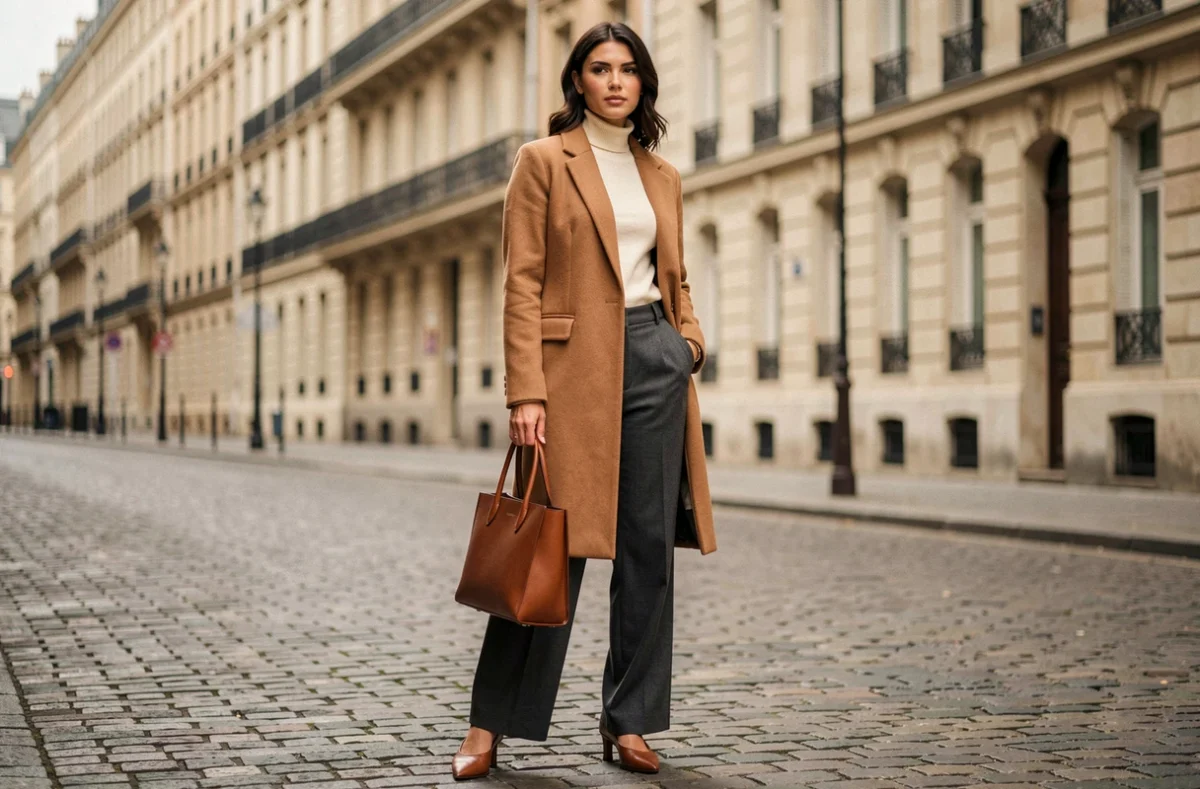
- The structured wide trousers: with a defined waist and ample fall, they replace slim styles in most contexts and adapt to both office and weekend wear
- The coordinated set: it simplifies outfit composition while creating a strong visual effect, especially in the season’s saturated palettes
- The midi skirt with volume or pattern: it extends the taste for expressive silhouettes without tipping into total maximalism
- Expressive accessories (brooches, graphic jewelry): they allow for the renewal of an existing wardrobe, in line with the reuse logic encouraged by regulations
The common thread among all these pieces is that they work across multiple seasons and in various contexts. Fashion in 2026 rewards thoughtful purchases, not ephemeral accumulations.
The shift from a neutral and minimalist wardrobe to more colorful and structured choices is not merely a fashion effect. It is part of a framework where regulations push for sustainability, where the “see now, buy now” model accelerates access to pieces, and where saturated palettes respond to a measurable fatigue with neutral tones. Adapting one’s style in 2026 means intersecting these three parameters before opening one’s wallet.